By Fatma Younis
Young people across Europe have taken to the streets in a wave of protests that has spread from France to Spain, Italy, Belgium, Portugal, Greece, Serbia and Albania, driven by anger over education funding, soaring housing costs and a broader sense of economic stagnation.
Protests Spread Across Europe
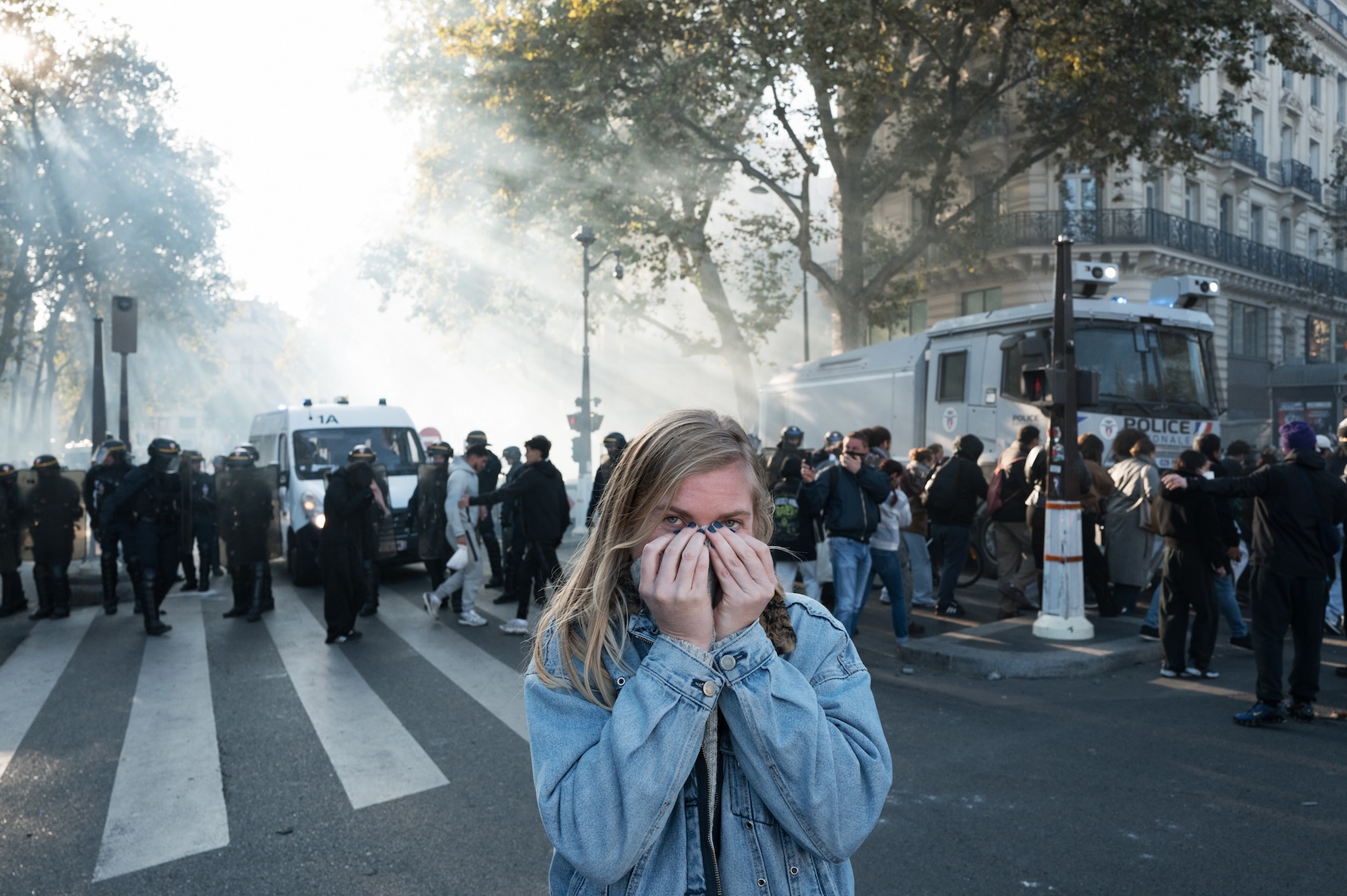
In recent weeks, demonstrations have erupted in Milan, Marseille, Madrid and Lisbon, among other cities. While many began peacefully, several ended in violence and looting, with tear gas and water cannon deployed in Brussels and clashes reported in Barcelona and Milan. In Albania, protesters have demanded the resignation of Prime Minister Edi Rama, who has been in power for 13 years.
TikTok Fuels Ad Hoc Organization
Protests are often organized spontaneously via TikTok and Instagram, a phenomenon Belgium's interior minister has called the "TikTokisation" of demonstrations. Student unions play a role, but participants are also inspired by peer movements abroad, such as India's Cockroach student movement. France, where the current wave began in late September over staff shortages and dilapidated schools, has acted as a catalyst for neighboring countries.
Economic Malaise and Housing Crisis
A continent-wide sense of economic malaise underlies the unrest. Young people worry about the environment, fear that AI will reduce job opportunities, and say spiralling living costs threaten their ability to finish education or start families. In Madrid and Lisbon, frustration focuses on prohibitive housing prices. A 26-year-old PhD student in Lisbon said she faces homelessness as her rental contract expires, while a 22-year-old protester in Milan said the aim is to force discussion of these issues.
Overlapping Crises and Polarization
Analysts describe a build-up of cascading crises — financial crisis, migration, climate change, COVID-19, inflation from the Ukraine war — that have never been fully resolved. Mark Leonard of the European Council of Foreign Relations says different "tribes" have emerged, hardened by social media algorithms, creating a sense of polarization. Nathalie Tocci, a former Italian government adviser, notes that youth are politically engaged but in grassroots ways, citing the Fridays for Future movement and recent student-led protests in Serbia that unseated a long-standing leader.
Violence and Political Responses
Intelligence services in France and Belgium describe looting on the fringes of legal protests as largely opportunistic, while rioting is attributed to a mix of "mindless violence" and orchestrated actions by ultra-left groups. In Italy, the term "maranza" is used for youths destroying property; in France, "casseurs" and the pejorative "racaille" describe similar actors. The political right blames left-wing radicals, while anti-immigration parties such as Belgium's Vlaams Belang link violence to migration and integration failures.
Elections Loom as Unrest Continues
Governments are cracking down, with thousands of arrests and policies making rioters and parents of minors financially liable for damage. Fresh mass demonstrations are planned in France and Italy. With key elections approaching in major EU countries, populist parties on both left and right are positioning as "crisis entrepreneurs." Marine Le Pen's National Rally leads polls in France, benefiting from a law-and-order message. Analysts warn that the social contract — taxes in exchange for public services and stability — has eroded, suggesting the protest wave is likely to persist.