By Salma El-Sakka
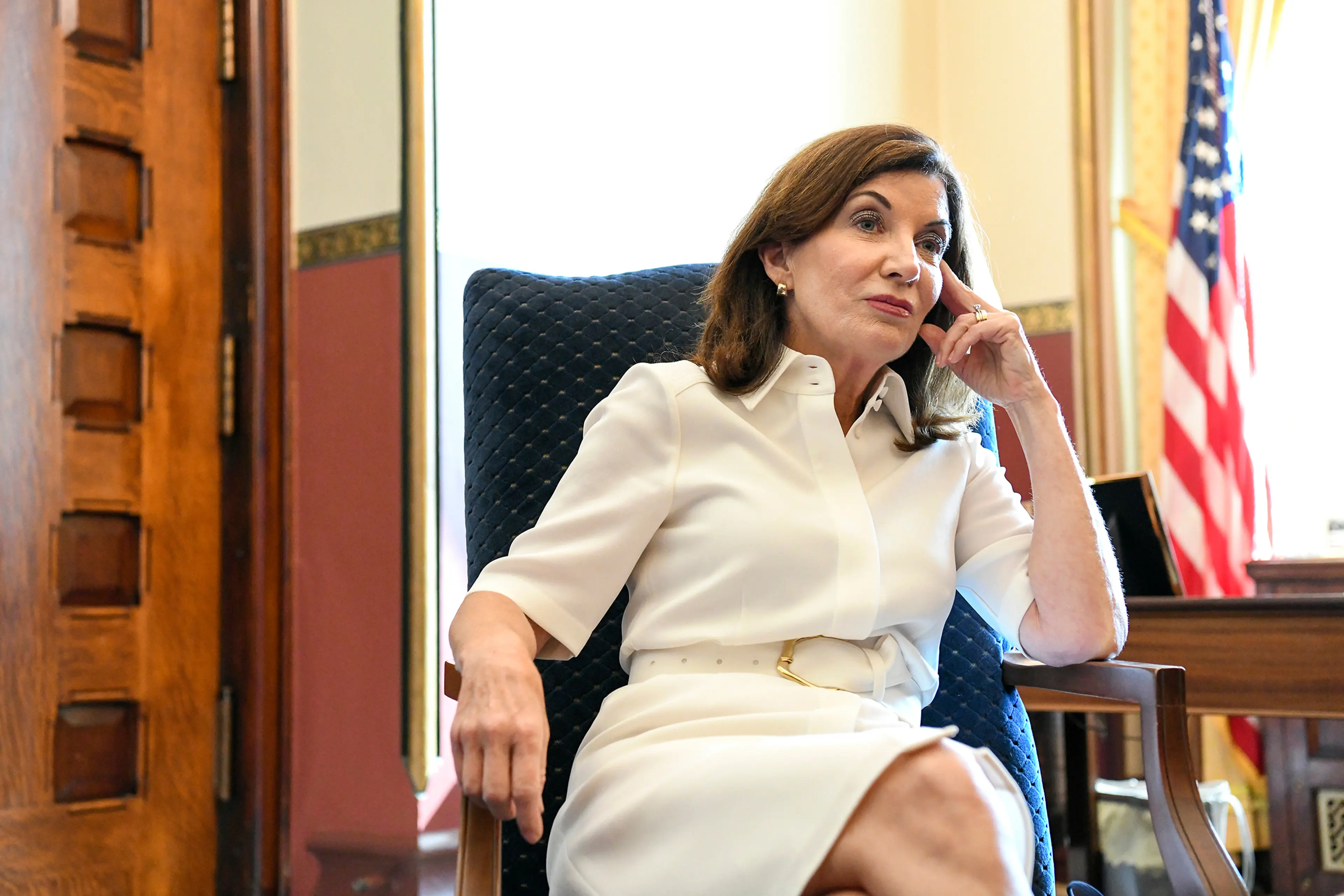
New York has enacted a sweeping law prohibiting certain chatbot behaviors deemed unsafe for children under 18, marking one of the most aggressive state-level efforts to regulate artificial intelligence companions. Governor Kathy Hochul signed the legislation Wednesday, which defines a dozen “unsafe AI companion features” and exposes developers to lawsuits by the state attorney general.
Law Details and Penalties
The law, effective January 1, bans chatbots from suggesting they are real persons with emotions, opinions, or actual relationships with a child. It also prohibits messages that use flattery, contain sexually explicit material, or encourage secrecy or unhealthy behavior. Violations could result in monetary damages, shutdown of the chatbot, and destruction of associated data.
State-Level AI Regulation Trend
With Congress largely inactive on AI regulation, state legislatures are using consumer protection laws to increase transparency and rein in chatbots and frontier AI models. New York and California are leading this push, which also targets social media platforms.
California's Parallel Measures
In September, California Governor Gavin Newsom signed legislation requiring chatbot developers to assess risks to children, demonstrate mitigation efforts, and submit to independent audits. He also approved a ban on addictive social media features for users under 16.
Legal Challenges and Industry Response
Eight states recently sued OpenAI, alleging its popular chatbot violated consumer protection laws by harming children and deceiving adults. The coordinated action was described as the most significant state-level move against an AI company to date.
Expert Perspectives on Enforcement
Jim Steyer, CEO of Common Sense Media, called New York’s law the strongest kids’ AI safety bill in the country. However, Justine Gluck of the Future of Privacy Forum noted that several categories in the law are broadly worded, raising questions about where ordinary conversational responsiveness ends and prohibited behavior begins, which could complicate enforcement.