
By Basant El-Faramawy
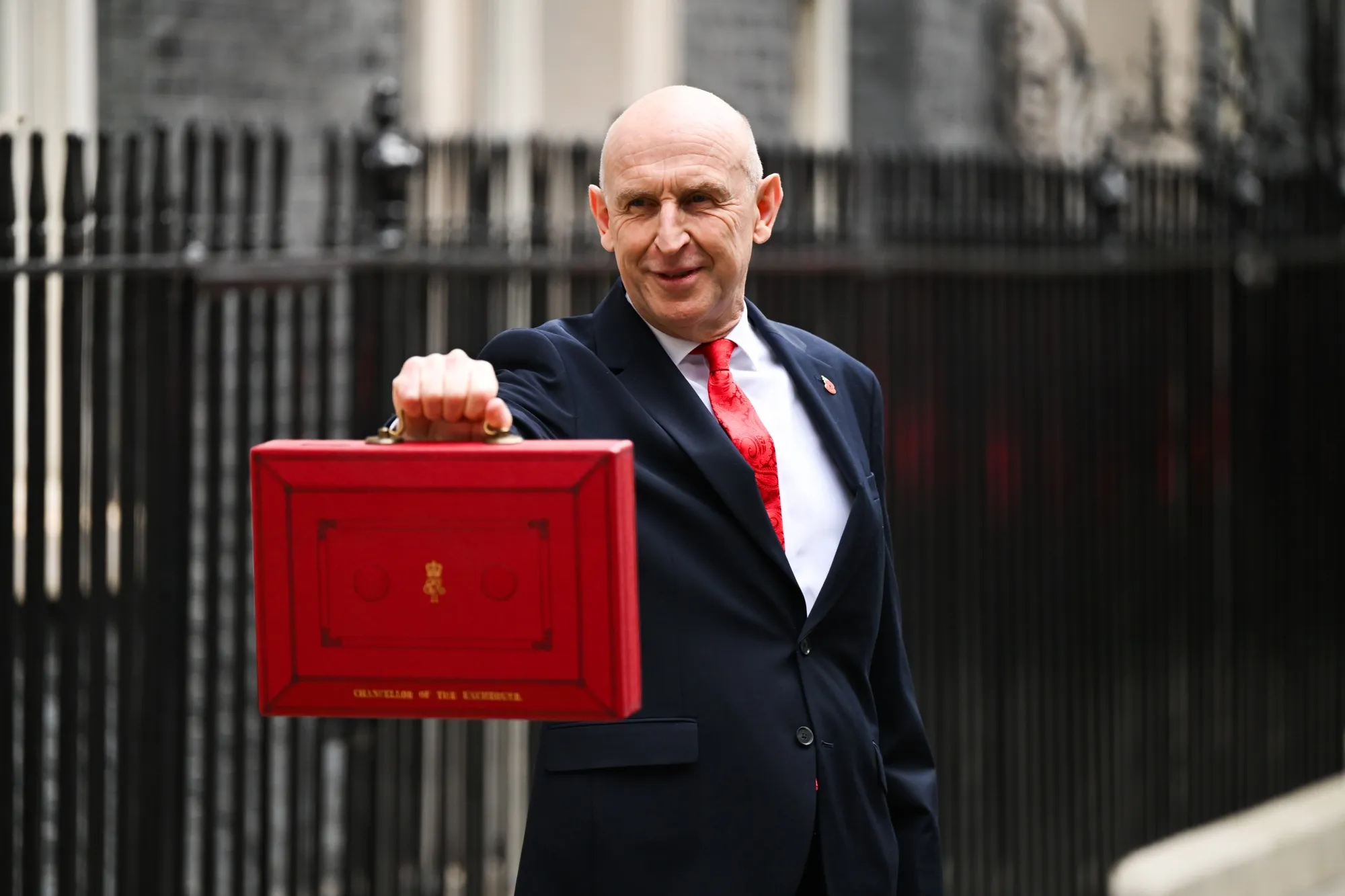
UK Chancellor John Healey delivered his first Budget on 28 October 2026, announcing a one-off £100 energy payment for millions of households in England, funded by a tax increase on bank profits.
Energy bill support and bank tax
The payment will go to residents in council tax bands A to D, with the Welsh government matching the scheme and the Scottish government planning to replicate it; gas standing charges in England, Scotland and Wales will be scrapped during 2027, with the fixed daily fees shifted onto unit prices, meaning heavy gas users will face higher bills.
Cost-of-living measures
Healey extended the 5p cut in fuel duty on petrol and diesel until July, raised minimum wage rates by 3.9% from April, and confirmed there will be no progress on narrowing the gap between older and younger workers' rates.
Business rates and tax changes
The threshold at which high street shops in England start paying business rates rises from £12,000 to £18,000, though vape shops and adult gaming centres are excluded; the bank profit surcharge increases from 3% to 6% from January 2027 to April 2028, taxes on high-stakes gambling machines rise, and the basic rate of tax on savings and rental income will increase to 24% from April 2027, while a planned cut to the cash ISA allowance is cancelled.
Fiscal outlook and deferred decisions
The Office for Budget Responsibility downgraded next year's growth forecast to 1% and warned households will be little better off than before the Covid pandemic even a decade later; debt interest payments are set to rise by £14bn this year, income tax thresholds remain frozen, and major decisions on defence spending to reach 3% of GDP by 2030 and welfare reforms are postponed until next year's spending review.
Political reaction
Conservative leader Kemi Badenoch said the Budget was not bold enough and accused Healey of increasing risk to armed forces; Liberal Democrat leader Sir Ed Davey argued any Budget will merely tinker without fixing the UK's trading relationship with the EU; Reform UK leader Nigel Farage dismissed the measures as little giveaways with no value on defence; Unite general secretary Sharon Graham called the cost-of-living steps baby steps, and Green Party leader Zack Polanski criticised the absence of climate action.


