By Ahmed Abdelsalam
Police officers and military veterans are increasingly taking jobs as cannabis delivery drivers after leaving public service, according to a report. With recreational cannabis now legal in 24 states and Washington, D.C., specialized transport companies are recruiting former law‑enforcement personnel to protect high‑value shipments.
Growing Industry Hires Ex‑Law Enforcement
Pennsylvania‑based Talaria, founded in 2017 and operating in seven states, has hired about 300 former police and military personnel, CEO Ari Raptis told CBS News Baltimore. “They retired in good standing. They protected and served our community,” Raptis said. “There's no one I would trust more to be driving our vehicles.”
Experience Translates to Security Role
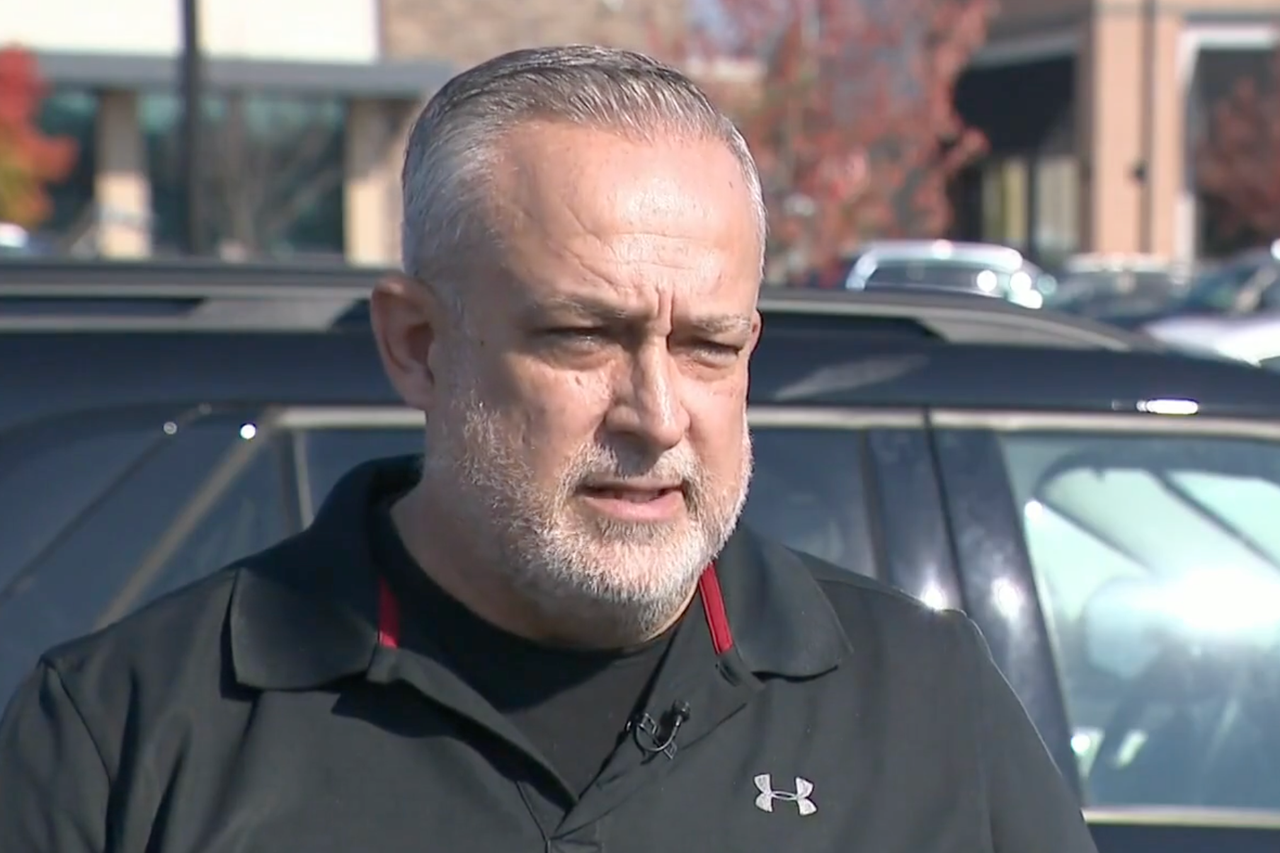
Matthew Dzambo, who spent nearly 30 years with the Baltimore Police Department, said his detective work in major crimes prepared him for the job. “When you're working on the street, you're always in that sort of elevated alert mode,” he explained. “That translates really well because we have to naturally be aware of our surroundings.” Ralph Miller, a former Baldwin Borough Police Department officer, described the transition as seamless, noting that police skill sets are service‑oriented.
Tax Revenue and Federal Policy Shifts
The U.S. Census Bureau reported that 30 states and the District of Columbia collected nearly $3.6 billion in cannabis excise tax revenue between July 2025 and June 2026. In December 2025, President Trump signed an executive order to expand medical cannabis research and directed the attorney general to reschedule cannabis to Schedule III, reducing its federal classification.
Armed Drivers and Security Measures
Each Talaria driver is armed, and vehicles are equipped with cameras linked to a central control room to safeguard the cargo. Aaron Smith, co‑founder of the National Cannabis Industry Association, noted that cannabis remains illegal in some states, giving it “outsized value to criminals” and heightening the need for secure transport.