By Basant El-Faramawy
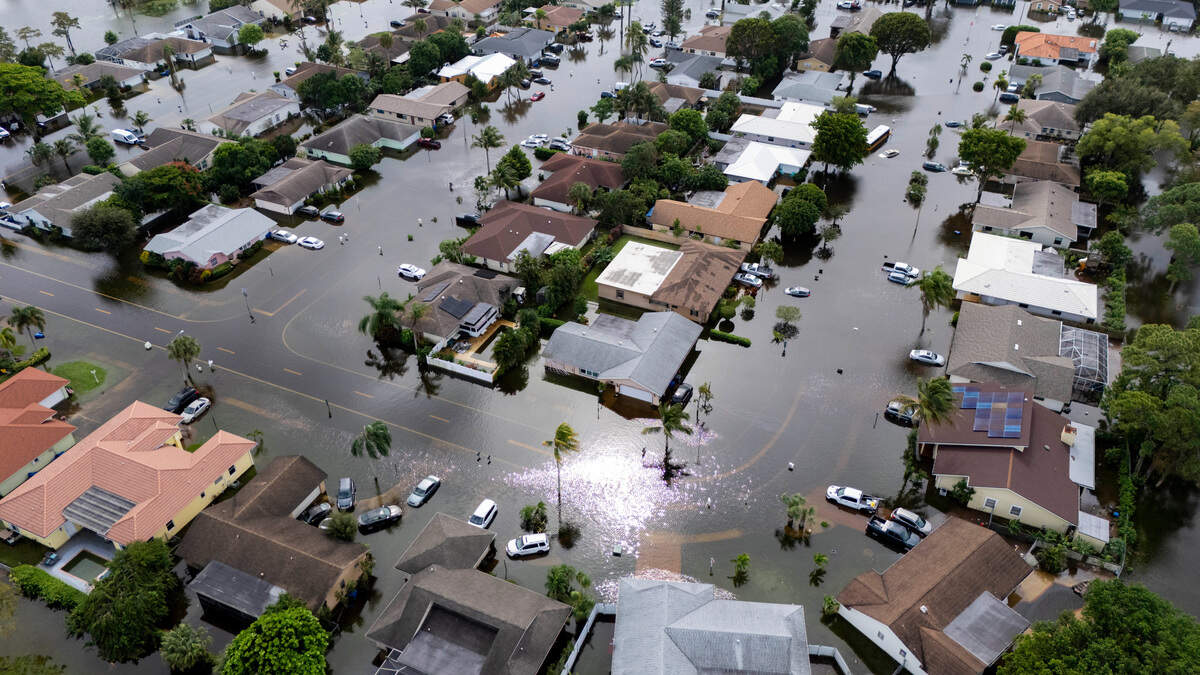
Cyclone Arnab made landfall Wednesday on India's eastern coast, killing three people and inundating roughly 200,000 acres of cropland, while drawing attention to the vulnerability of billions of dollars in data center investments to extreme weather fueled by warming seas.
Storm Details and Immediate Impact
The cyclone roared ashore with powerful winds and heavy rain, uprooting electricity poles and blocking roads. Heavy rainfall emerged as the biggest threat to inland areas as wind speeds weakened. Authorities said it will take days or weeks to calculate full damage estimates.
Climate Change Fuels Intensification
Unusually high temperatures across the Bay of Bengal helped fuel Arnab's rapid strengthening, according to meteorologists. A warmer atmosphere holds more moisture, increasing potential for intense rainfall. The storm follows India's weakest southwest monsoon since 2015, with droughts declared across several states.
Economic Toll and Infrastructure Risks
In 2025 alone, India experienced extreme weather on 360 days, killing 4,421 people and affecting 17.41 million hectares of cropland. Climate-related losses from 1995 to 2024 total $170 billion. The city of Visakhapatnam, in Arnab's path, is slated for a $15 billion hyperscale data center investment by Google, Adani and Airtel. A 2025 assessment projected more than one in ten Indian data centers would face high climate damage risk by 2050.
Calls for Adaptation Finance
Experts say infrastructure planning must account for future climate conditions, including strengthening electricity grids and improving crop insurance. They urge predictable, grant-based adaptation finance and simpler access to United Nations loss and damage funding at upcoming global climate talks in Turkey next month.