
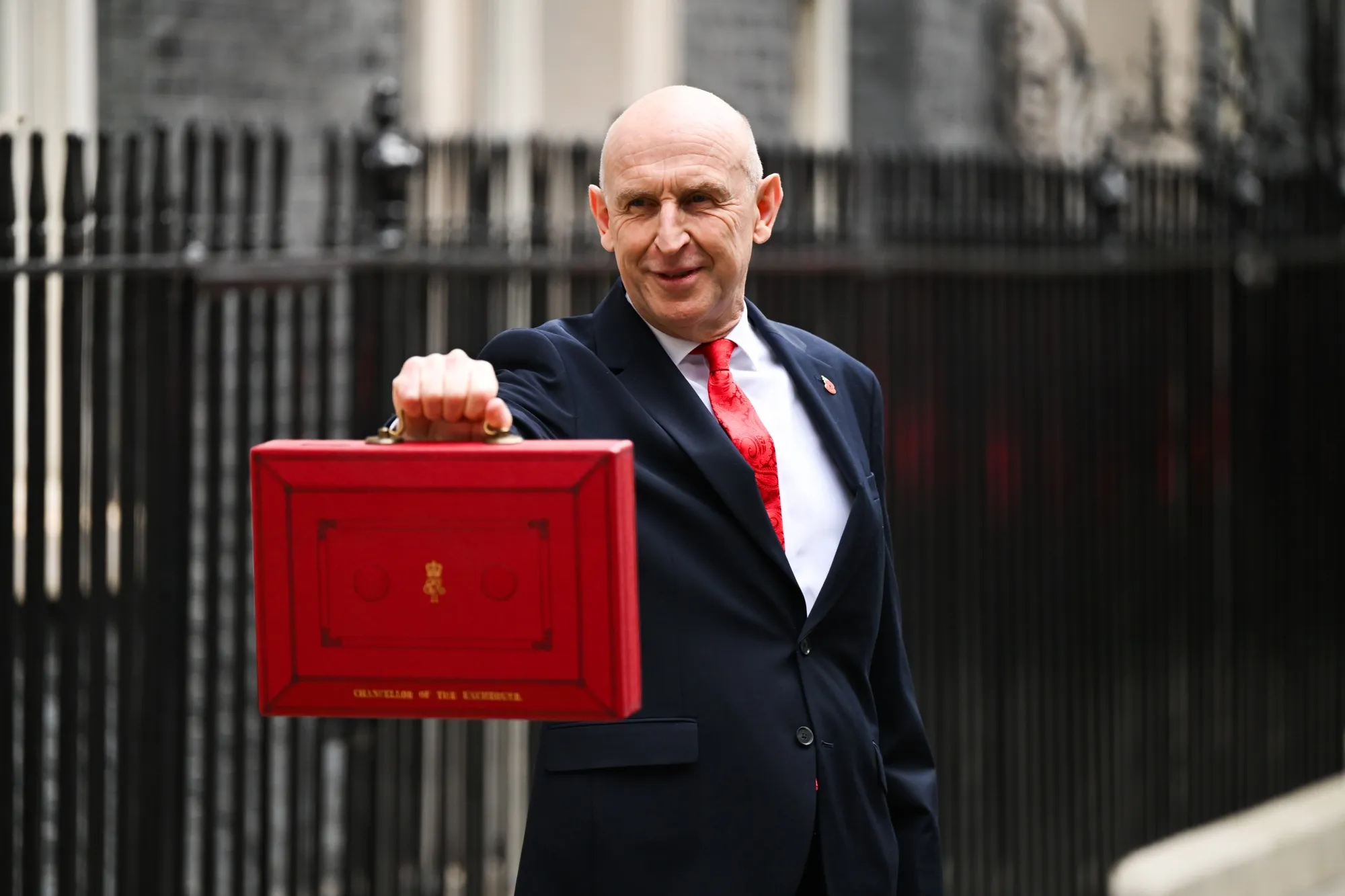
By Fatma Younis
Chancellor John Healey delivered his first Budget on Wednesday, framing a package of 98 short-term measures as "breathing space for today… hope for the future" for households grappling with the cost-of-living crisis. The statement combined targeted relief with a cautious economic narrative that acknowledged years of stagnation ahead rather than a swift recovery.
Targeted relief for households and businesses
The Budget cuts VAT on electricity bills, introduces subsidies for poorer households, and abolishes green levies and standing charges on gas bills. Regulated bus fares will fall from £3 to £2, saving a minimum-wage commuter roughly £40 a month. Pubs and clubs facing closure receive extended business-rates relief, while carers will no longer lose all allowances for earning £1 over the threshold. Improved paternity leave and a new first-time buyer scheme were also announced, alongside funding for defence contracts, ISAs, and AI data centres.
Downbeat economic projections
Office for Budget Responsibility forecasts paint a sober picture: growth downgraded to 1 per cent next year, peaking at an anaemic 1.8 per cent later in the decade. National debt is projected to hit 97 per cent of GDP, with inflation and the Bank of England interest rate both potentially reaching 5 per cent in 2027. Real household disposable income by the 2029 general election would be only 3 per cent higher than today.
Markets calm but challenges loom
Investors reacted calmly to the "steady as she goes" approach, which largely continues predecessor Rachel Reeves' plans. The UK must borrow £134 billion this year alone, and Healey's wafer-thin fiscal headroom leaves little room for error. Major tests await in the spending review, welfare reform, social care, and the future EU relationship — all unresolved.
Next Budget seen as real test
Prime Minister Andy Burnham and Healey must push radical reforms through Parliament while retaining support from their party, the public, and financial markets. The editorial concludes that if they fail, "things will, frankly, begin to feel rather hopeless."


